In short
Francisco Hitzfelder chose IESE after earning admission to multiple top MBA programs, targeting consulting with a platform that matched his goals and geography. During the MBA, he interned at Kearney in Mexico, learned how to operate across parallel workstreams under real client pressure, and converted that internship into a full-time offer. His story is a clean reminder for applicants: admissions strategy matters because it forces clarity early—so recruiting becomes execution, not improvisation.
What outcome did Francisco achieve post-MBA?
Francisco graduated from IESE Business School and secured a full-time role at Kearney. His path followed the classic consulting conversion engine: internship execution created trust, performance reduced ambiguity, and the offer became the natural next step.
IESE: why he chose it (and what applicants should learn from that decision)
Francisco earned admission to multiple top MBA programs—including Bocconi, London Business School (LBS), HEC Paris, and INSEAD—and ultimately chose IESE for its consulting focus and international exposure.
For consulting, that means aligning your school choice with the recruiting ecosystem, office/geography access, and the narrative you can defend consistently from essays to interviews.
Internship: what he learned inside consulting (in his words)
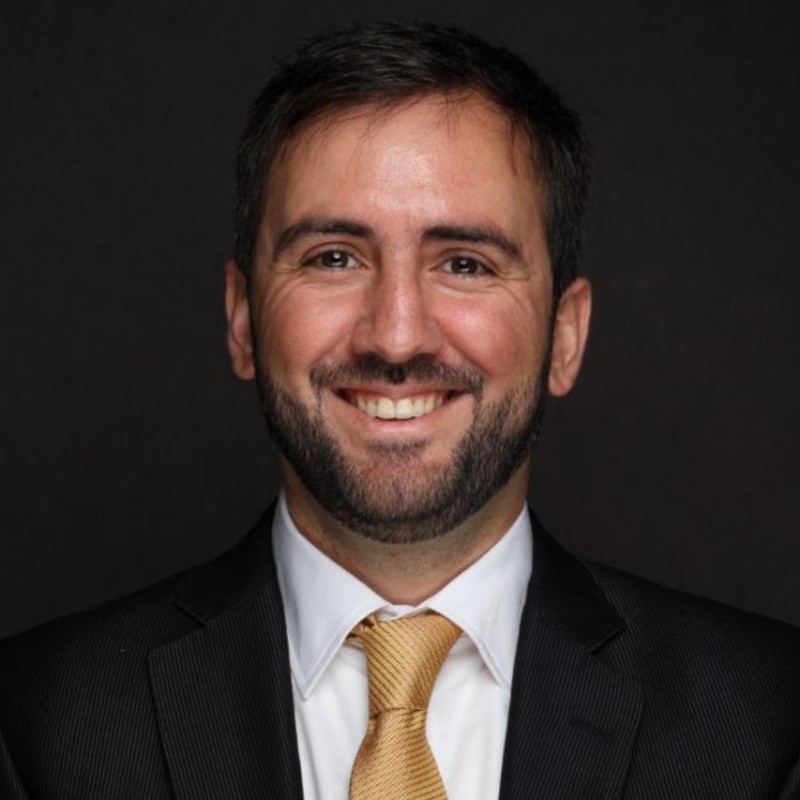
Francisco describes the internship as the moment consulting became real: multiple stakeholders, parallel workstreams, and high expectations for structured communication. As he puts it: "The internship allowed me to truly understand the dynamics of consulting. Navigating multiple workstreams, meeting client demands, and managing time effectively within a cross-functional team pushed me to grow in ways I hadn't expected."
The takeaway for candidates: firms don't just evaluate raw problem solving. They evaluate whether your work is repeatable under pressure—clean prioritization, reliable updates, and good judgment when information is incomplete.
How he converted the internship into a full-time offer at Kearney
Francisco's experience reflects a common conversion pattern in consulting: the offer becomes likely when you make it easy for the team to trust your execution. During the internship, that typically means:
- Owning a workstream: you simplify ambiguity into clear next steps.
- Managing time across parallel asks: you deliver without drama.
- Communicating like a consultant: concise updates, strong framing, and no surprises.
- Staying structured under pressure: your thinking remains legible when timelines compress.
Francisco also notes the alignment factor: Kearney's methodology and global reach matched his goals—so the "fit" case was easier to defend.
Interview preparation: frameworks, clarity, and confidence
Francisco's interview process reinforced an evergreen truth: preparation isn't just practice—it's building a repeatable way to explain your thinking. He leaned on case prep resources and structured problem-solving frameworks to articulate his approach clearly and consistently.
And when the offer came, the emotional signal was telling: "When I received the full-time offer, it was a moment of validation. I had worked hard to get there, and it was great to see everything come together."
Reflection: what the MBA changed (and the mistake candidates make)
Reflecting on IESE, Francisco points to the strategic and analytical rigor of the program, plus the perspective that comes from collaborating with global peers. He also emphasizes resilience—balancing intense workloads with personal commitments forced growth in ways he didn't fully predict.
The common mistake: treating the MBA as the "solution," instead of a platform that amplifies (or exposes) your strategy.
- The better frame: define the target outcome early, then align your school list, narrative, and timeline so recruiting becomes execution—not reinvention.
- The hidden constraint: time. Over-optimizing one component can quietly damage the overall plan.
Merchant MBA helps candidates align positioning, school strategy, and application execution so their outcomes are supported by coherent planning—not rushed late-cycle decisions.
Is IESE a strong MBA choice for consulting?
What drives consulting outcomes after an MBA?
Does the GMAT Focus matter for MBA admissions if I'm targeting consulting?
How should I choose between IESE, INSEAD, LBS, and HEC if I want consulting?
When should I stop optimizing and protect my MBA admissions strategy?
When should I stop optimizing and commit to an admissions plan?